Article: A Guide to Handel Lamps: History, Identification, and Value

A Guide to Handel Lamps: History, Identification, and Value
A Guide to Handel Lamps: History, Identification, and Value
The Handel Company, operating in Meriden, Connecticut from 1885 to 1936, was a prominent manufacturer of early 20th century decorative lighting. While they produced leaded glass, Handel is best known for its reverse-painted glass shades. Today, Handel lamps are well-regarded by collectors of Arts and Crafts and Art Nouveau lighting.
The History of the Handel Company
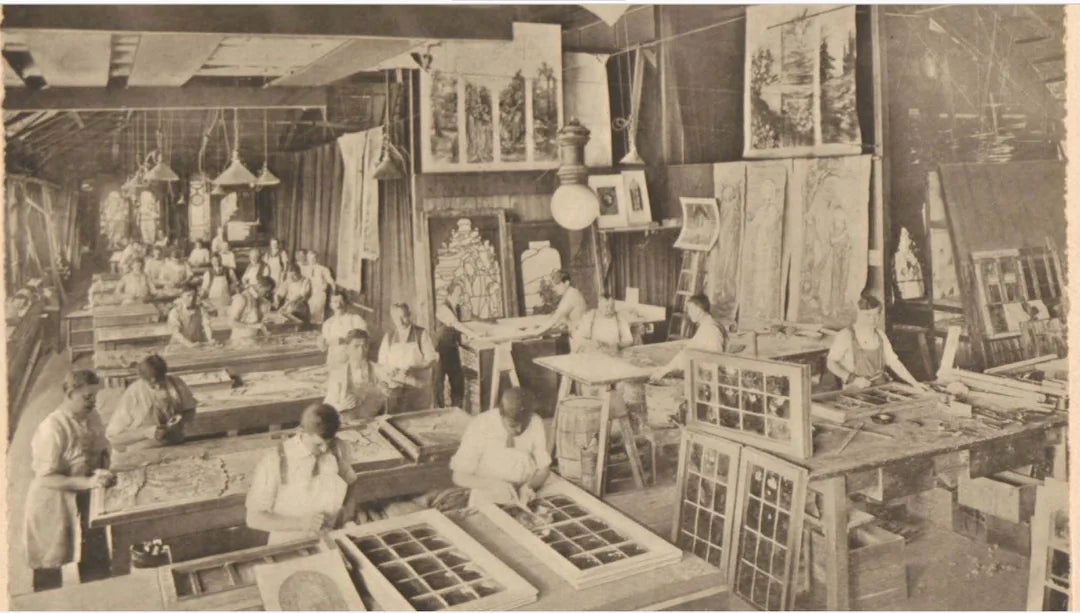
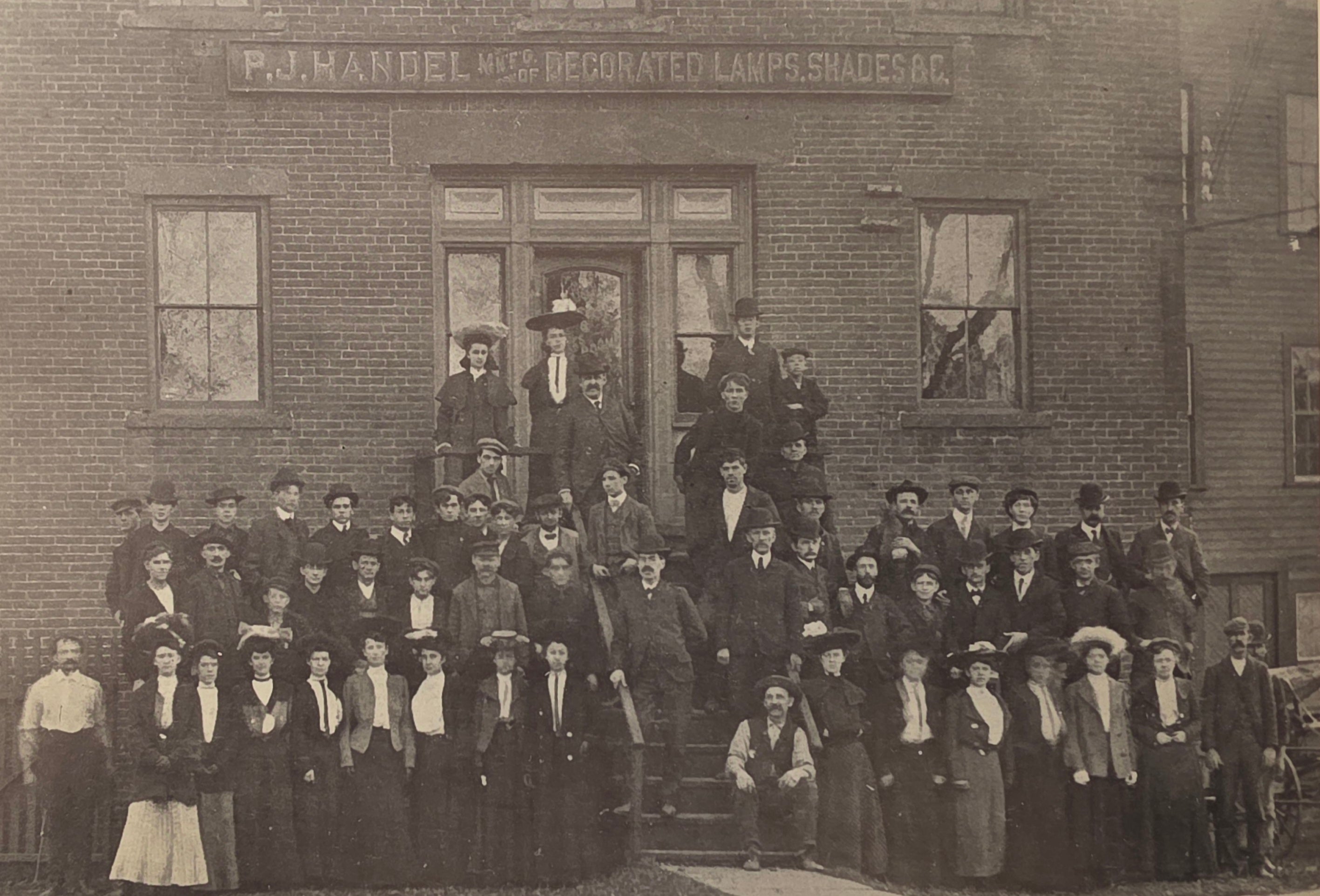
Founded by Philip J. Handel and Adolph Eydam in 1885, the company initially focused on glass decorating. By 1903, the business was incorporated as the Handel Company and shifted its focus to high-end electric and gas lighting.
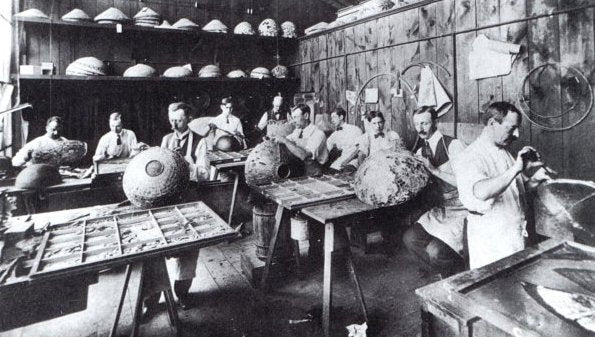
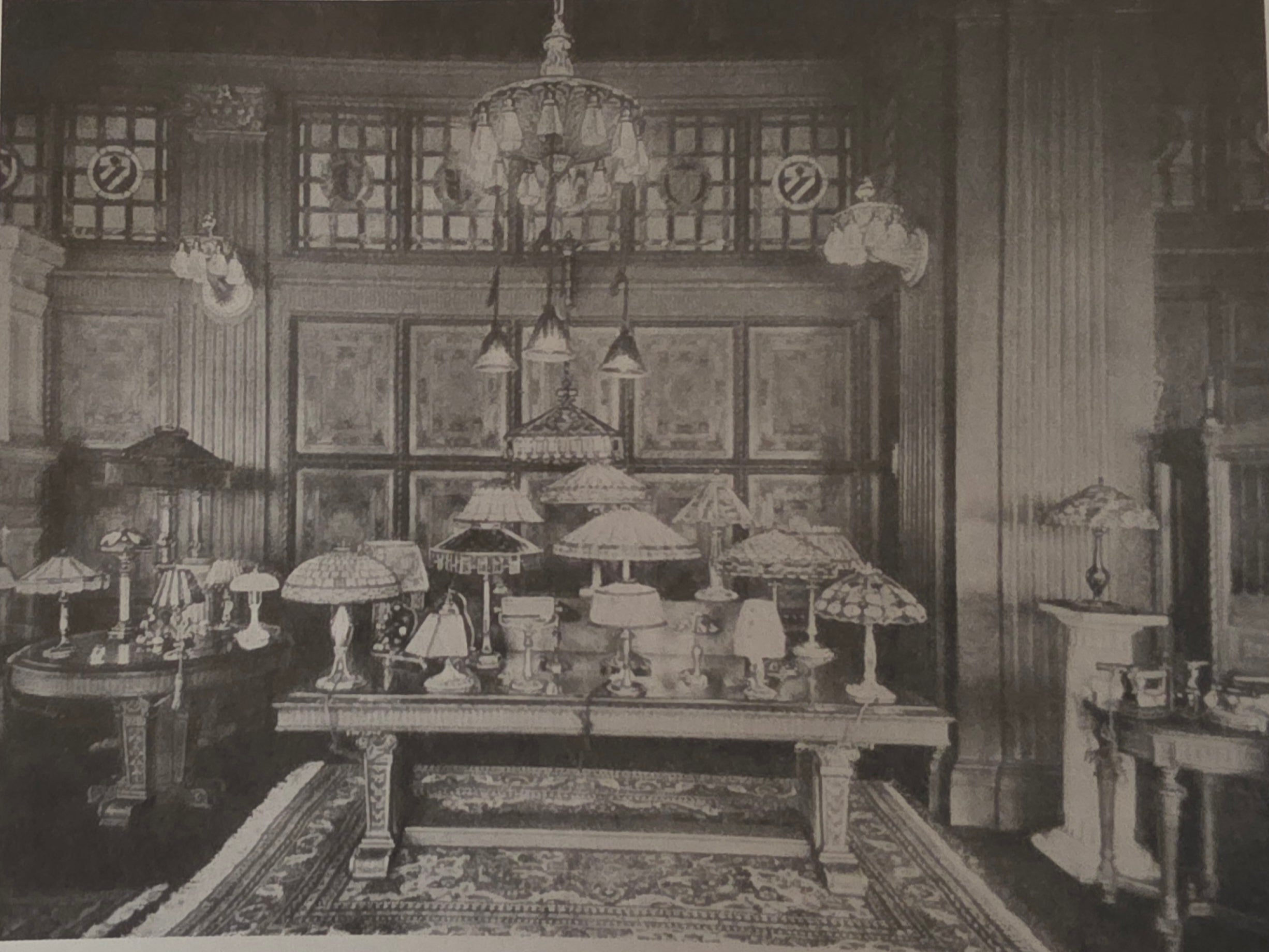
Unlike Tiffany Studios, which used the copper foil technique for leaded glass, Handel focused heavily on painted glass. They employed skilled artists to hand-paint detailed scenes directly onto the glass shades. Handel maintained a showroom in New York City until the Great Depression forced the company to close in 1936.
Signature Handel Lamp Styles
1. Reverse and Obverse-Painted Glass Lamps
This is the style most associated with the Handel name. While known for "reverse painting" (painting landscapes, marine life, and florals on the inside of the glass dome), many of their detailed shades were painted on both the inside and the outside (obverse) of the glass.
By painting the background on the inside and foreground details on the outside, Handel artists created a sense of depth. The exterior of the glass was often given a "chipped ice" or sandblasted finish to diffuse the light from early electric bulbs. The shade was then fired in a kiln to permanently fuse the paint to the glass.
2. Teroca (Metal Overlay) Lamps
To cater to the Arts and Crafts market, Handel produced a line called "Teroca." These lamps feature slag glass panels secured beneath a silhouetted metal framework. The metal overlay, usually made of copper or spelter, was cut into distinct patterns like pine needle branches or geometric grilles.
3. Leaded Glass Lamps
Handel also produced leaded glass shades. These often aligned with the Arts and Crafts aesthetic, featuring geometric patterns, stylized florals, and rolled art glass.
How to Authenticate a Handel Lamp
Authentication requires an understanding of early 20th-century manufacturing. Here is what specialists look for when verifying an original Handel lamp:
Identifying the Shade:
-
Reverse and Obverse-Painted Shades: Painted Handel shades are often signed on the inside lower edge or the inside fitter rim using paint. You will typically find the word "HANDEL" followed by a hand-painted design number (e.g., Handel 6688). The artist's initials are sometimes included.
-
Leaded and Teroca (Overlay) Shades: Because these shades have a metal framework, the signature method differs. Look for a small, applied rectangular metal tag reading "HANDEL" soldered on the inside of the shade. Alternatively, the "HANDEL" name may be stamped into the metal aperture ring at the top.
-
Unsigned Shades: Some original shades were never signed or have lost their tags over time. When a signature is absent, authentication relies on the specific artistic pattern, the shape and quality of the glass dome, the paint application techniques, and the texture of the chipped ice or frosted finish.
Identifying the Base:
-
Base Materials: Handel predominantly cast their bases in spelter (a white metal alloy), brass, or copper.
-
Patinas: Handel applied dark patinas to their bases, usually a dark brown or blackened green, to complement the shade.
-
Base Marks: Look for the word "HANDEL" incised or stamped directly into the metal. This mark is usually near the bottom outside edge, or stamped underneath the base itself. Some bases originally featured a signed cloth label attached to the felt pad on the underside.
The Value of Handel Lighting Today
The market value of a Handel lamp depends on the rarity of the painted subject matter, the condition of the glass, and the quality of the base. Highly detailed scenic lamps such as aquatic scenes, birds, or landscapes paired with detailed bases tend to carry the highest value among private collectors and investors.
Selling Your Handel Lamp
If you own an authentic Handel lamp and are considering selling, we invite you to contact us directly. We are always actively acquiring high quality period lighting for our private collectors and would be happy to discuss the potential purchase of your piece.