Tiffany Studios Lamps
A Comprehensive Guide to Tiffany Studios Lamps
Founded by Louis Comfort Tiffany, Tiffany Studios was the premier manufacturer of luxury lighting during the late 19th and early 20th centuries. Today, authentic Tiffany Studios lamps are considered the absolute pinnacle of American decorative arts, commanding extraordinary prices and global attention from high-end private collectors, museums, and fine art institutions.
The History of Tiffany Studios
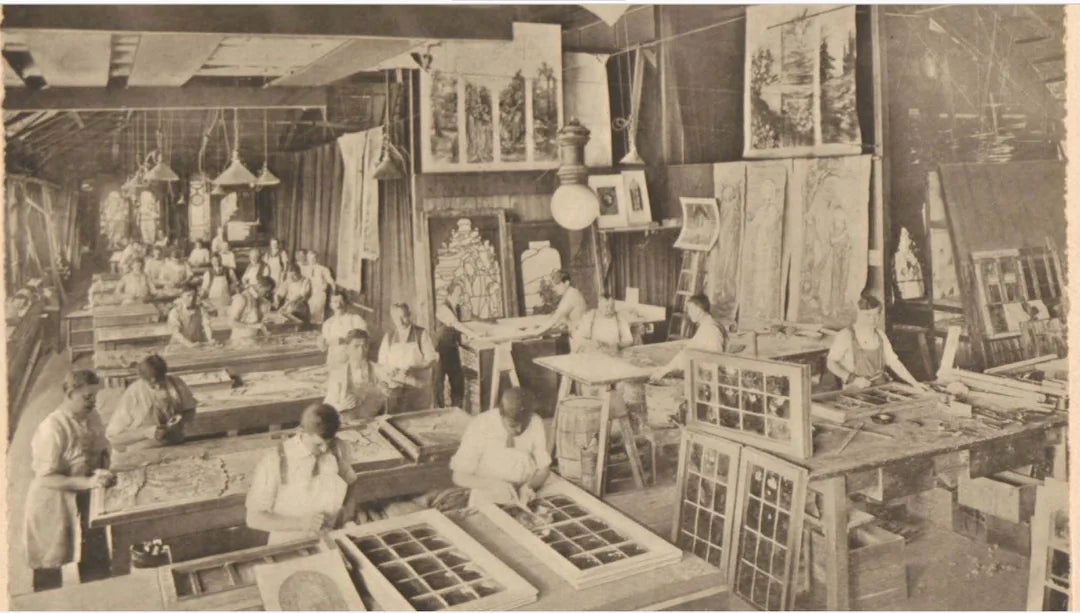
Louis Comfort Tiffany, the son of Charles Lewis Tiffany who founded the world-renowned jewelry empire Tiffany & Company, originally focused his artistic vision on creating monumental stained glass windows and opulent interior designs. To creatively utilize the expensive excess cuts of custom-made glass left over from these massive window projects, the studio began producing leaded glass lampshades in the late 1890s.
A crucial but often overlooked part of Tiffany Studios history is the Women's Glass Cutting Department. This department was directed by Clara Driscoll, an incredibly talented designer who is now recognized by historians as the creative mind behind many of the most famous Tiffany lamp patterns, including the iconic Wisteria, Dragonfly, and Peony designs. Working alongside Louis Comfort Tiffany at their factory in Corona, Queens, Driscoll and her team of female artisans were responsible for selecting the intricate glass pieces and bringing the studio's most complex floral visions to life.
Signature Tiffany Studios Styles and Innovations
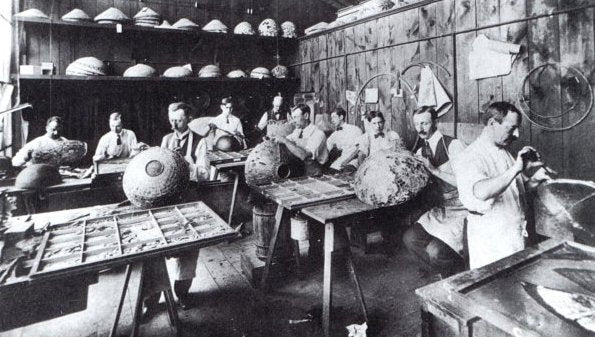
The Copper Foil Technique: Unlike traditional stained glass makers who used heavy lead came to join pieces of glass, Tiffany pioneered the copper foil technique. This revolutionary method allowed artisans to wrap the edges of tiny, intricately cut glass pieces in incredibly thin copper foil and solder them directly together. This innovation allowed for unprecedented detail, flexible curves, and the highly complex, organic designs that define Tiffany lighting today.
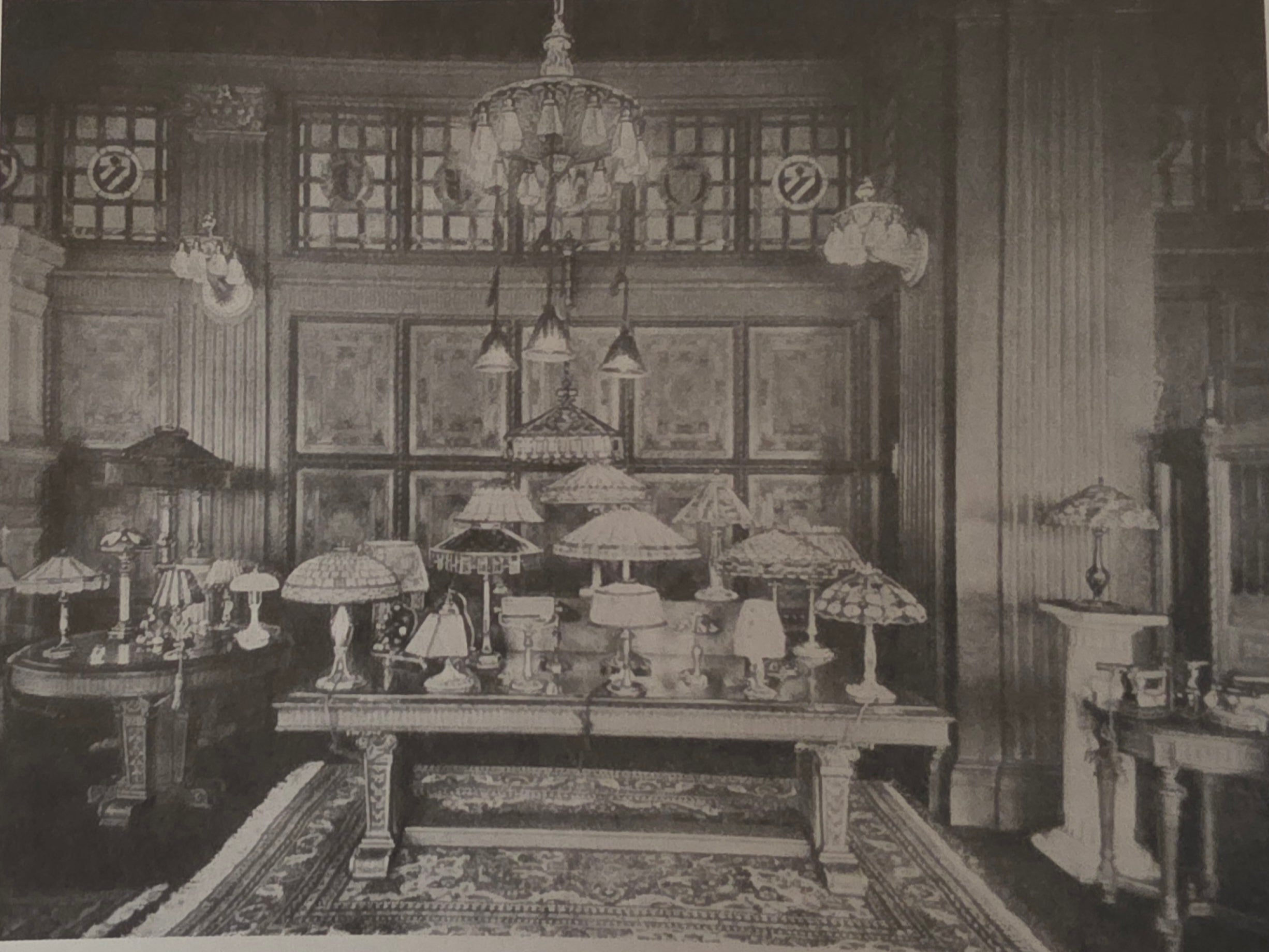
Favrile and Specialty Art Glass: The visual impact and immense value of a Tiffany lamp rely entirely on the quality of the glass itself. Tiffany produced his own proprietary glass, trademarking the term Favrile, which meant handcrafted. His furnaces produced astonishing varieties of glass designed to mimic the natural world. Artisans utilized ring mottled glass to perfectly replicate the look of sun-dappled leaves. They used confetti or fractured glass, which had tiny shards of colored glass embedded in it, to create textured backgrounds. They also heavily utilized ripple glass to simulate the movement of water in their aquatic designs.
Complex Botanical and Geometric Motifs: Tiffany Studios designs generally fall into a few distinct categories. Geometric shades feature repeating patterns of squares, rectangles, or intricate overlapping scales. Floral shades are the most recognizable, featuring breathtaking, three-dimensional representations of flora and fauna. The most complex shades possess irregular lower borders, meaning the bottom edge of the shade follows the natural outline of the leaves or flower petals rather than ending in a straight, flat line.
Substantial Bronze and Art Pottery Bases: The studio operated its own foundry, pouring solid bronze to create heavy, exceptionally cast sculptural bases featuring organic roots, tree trunks, or lily pad motifs. The bronze was finished with a rich, chemical patina, typically developing into a deep brown, greenish verdigris, or statuary bronze over time. Occasionally, Tiffany also partnered with the Grueby Faience Company to utilize beautifully glazed art pottery bases for their lamps.
How to Authenticate a Tiffany Studios Lamp
Because of their immense historical and monetary value, authentication requires a meticulous examination of the hardware, glass quality, and specific factory marks.
Identifying the Shade Marks: Authentic Tiffany leaded glass shades are typically signed on the inner bottom metal rim. You will generally find a thin metal strip stamped with the words TIFFANY STUDIOS NEW YORK in all capital letters. This signature is frequently accompanied by a specific pattern or model number. Earlier examples often feature what collectors refer to as micro tags, which are tiny, applied tags signed TIFFANY STUDIOS NEW YORK. It is also important to note that some original shades left the studio completely unsigned.
Evaluating the Glass and Lead Lines: The soldering lines created by the copper foil method should be relatively thin, refined, and display a smooth, rounded profile. Authentic antique shades will have a rich, natural patina on the lead lines. Additionally, because the original bonding materials slowly dry out over a century, authentic antique shades may have a very slight, loose rattle when the glass is gently tapped.
Identifying the Base Marks: Genuine bases are cast from extremely high-quality bronze and are often weighted with lead in the bottom to support the immense weight of the glass shades. Look underneath the base on the bottom plate for the stamped words TIFFANY STUDIOS NEW YORK along with a specific serial or model number. Early examples were also sometimes marked with the Tiffany Glass and Decorating monogram. The stamping should be crisp and precise.
Evaluating the Hardware: The electrical components are a major indicator of age and originality that true specialists always evaluate. Authentic Tiffany table lamps typically feature high-quality early electrical sockets manufactured by companies like Perkins, Bryant, Weber, or GECO. They almost exclusively utilized a turn paddle knob mechanism to operate the socket, rather than modern pull chains or inline switches. Furthermore, the metal heat caps that secure the shade to the top of the base are made of copper and feature specific, acid-etched venting patterns designed by the studio.
The Value of Tiffany Studios Lighting Today
The market for authentic Tiffany Studios lamps remains incredibly strong and highly competitive among global buyers. Values vary drastically depending on the rarity of the pattern, the specific color harmony and vibrancy of the glass used in that exact shade, and the condition of the glass. Authentic Tiffany Studios lamps can go from anywhere from tens of thousands to multi-millions of dollars for rare and highly complex masterpieces.
Selling Your Tiffany Studios Lamp
If you own an authentic Tiffany Studios lamp and are considering selling, we invite you to contact us directly. We are always actively acquiring high-quality period lighting for our private collectors and would be happy to discuss the potential purchase of your piece.